
Why Improving Home Insulation Can Affect Year-Round Comfort
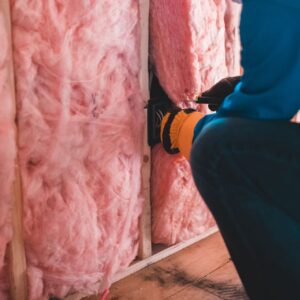
A comfortable home is not only about choosing the right furniture, finishes, or heating and cooling equipment. The building itself plays an important role in maintaining a pleasant indoor environment. Insulation helps regulate how heat moves through walls, ceilings, floors, and other parts of a property. When insulation is inadequate, indoor temperatures can change quickly as outdoor conditions shift. This can make rooms feel too warm during summer and too cold during winter. Improving insulation can help create a more stable indoor environment while potentially reducing the workload placed on heating and cooling systems. Understanding how insulation affects year-round comfort can help homeowners make more informed decisions about home improvement projects.
Understanding Heat Movement
Heat naturally moves between warmer and cooler areas. During winter, indoor heat can escape through poorly insulated parts of a building. During summer, outdoor heat can enter through the same areas. Insulation slows this transfer. It creates resistance that reduces the rate at which heat passes through building materials. This does not mean insulation completely stops temperature changes. Instead, it helps moderate them. A well-insulated home can maintain indoor conditions for longer periods, giving heating and cooling systems more control over the environment. Understanding this basic principle helps explain why insulation can affect comfort in every season.
Managing Summer Heat
Insulation is also valuable during warmer months. When outdoor temperatures rise, heat can enter a home through the roof, walls, and other surfaces. Good insulation can slow this transfer. As a result, indoor spaces may remain cooler for longer, especially when combined with suitable shading, ventilation, and efficient cooling equipment. Attic insulation can be particularly important because roofs receive significant solar heat. Reducing heat transfer from the roof area can help limit the amount of warmth reaching living spaces below. Insulation is therefore not only a winter improvement. It can support comfort during hot weather as well.
Improving Winter Comfort
Cold weather can expose weaknesses in a home’s insulation. Poorly insulated walls, ceilings, floors, and attics may allow indoor heat to escape more quickly. Rooms can then feel colder, particularly near exterior walls, windows, ceilings, or floors. Some homeowners may respond by increasing the thermostat, which can increase energy use. Improved insulation helps slow heat loss. This can make indoor temperatures more consistent and reduce uncomfortable cold spots. The effectiveness of insulation depends on the entire building envelope. Air leakage, moisture, windows, doors, and construction quality can also influence how well a home retains heat.
Supporting Energy Efficiency
Comfort and energy efficiency are closely connected. When a home loses or gains heat rapidly, heating and cooling equipment may need to operate more frequently to maintain the desired temperature. Better insulation can reduce the rate of heat transfer. This may allow equipment to maintain indoor conditions with less frequent operation, depending on the home’s design, climate, equipment, and other factors. Lower energy demand can potentially reduce utility costs. However, savings vary between properties, so homeowners should avoid assuming that insulation will produce the same results everywhere. Choosing the correct insulation type and installation method also matters. Gaps, compression, moisture, and poor installation can reduce performance.
Reducing Temperature Differences
Some homes have rooms that are consistently warmer or colder than others. These differences can result from uneven insulation, air leaks, building orientation, window placement, or differences in exposure to outdoor temperatures. Improving insulation in problem areas may help reduce these variations. A more balanced indoor environment can make the home feel comfortable across multiple rooms rather than forcing residents to adjust conditions repeatedly. However, insulation should be assessed as part of the whole building system. Adding insulation to one location may not solve a problem caused by air leakage or another structural issue. A professional assessment can help identify where improvements are most appropriate.
Planning Insulation Improvements
Homeowners considering insulation improvements should first identify where existing insulation is inadequate. Attics, walls, crawl spaces, basements, and floors may require different approaches. Local climate conditions should also influence the decision. A solution suitable for a cold climate may not be ideal for a hot or humid region. Moisture management is another important consideration. Certain insulation systems need proper vapor and moisture control to perform safely over time. Professional guidance can be helpful when the condition of existing insulation is unclear. A qualified contractor or building professional can assess the property and recommend appropriate improvements.
Improving insulation can affect year-round comfort by slowing heat transfer and helping indoor temperatures remain more stable. It can reduce winter heat loss, limit summer heat gain, and potentially reduce the workload on heating and cooling systems. Still, insulation is only one part of home performance. Air sealing, windows, ventilation, moisture control, and equipment efficiency also influence comfort. A thoughtful approach considers how these elements work together. Rather than treating insulation as a simple material added to a wall or attic, homeowners can view it as part of the home’s overall thermal system. With proper planning and installation, insulation improvements can create a more comfortable indoor environment throughout changing seasons while supporting more efficient home operation.…