
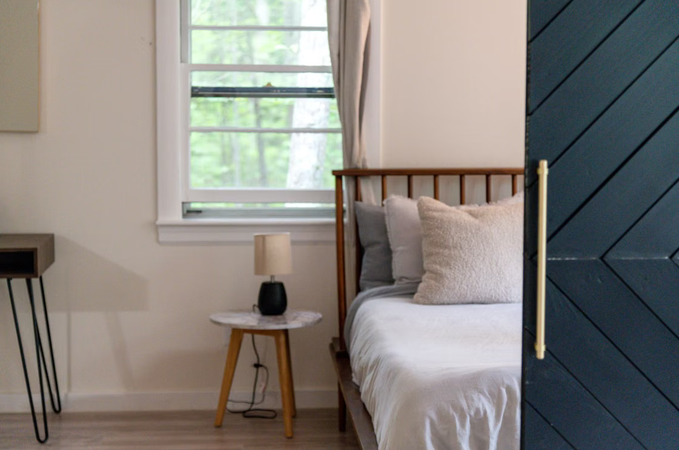
Your bedroom should be one of the most comfortable spaces in your home. It is where you end the day, recharge, and hopefully wake up feeling refreshed. But sometimes, even a nicely decorated bedroom does not feel as relaxing as it should. The good news is that you do not need to completely remodel the room to make it more comfortable. Small changes to your mattress, bedding, lighting, temperature, and overall bedroom setup can make a big difference.
Choose a Mattress That Suits Your Sleep Style
A mattress has a major impact on how comfortable your bedroom feels at night. The right choice depends on factors such as your preferred sleeping position, desired firmness, body support, and personal comfort preferences. Before making a purchase, it can help to explore a detailed Mattress Buying Guide to understand the different mattress types and features available. Taking time to compare your options can help you create a sleep setup that feels comfortable night after night.
Choose Bedding That Feels Comfortable

Once you have the right mattress, pay attention to what goes on top of it. Sheets, blankets, pillows, and mattress protectors can all affect how comfortable your bed feels. Breathable fabrics such as cotton and linen can be useful in warmer climates, while thicker blankets may provide extra comfort during cooler nights. Your bedding does not have to be expensive to feel good. Focus on materials that feel pleasant against your skin and suit your sleeping preferences. Changing your bedding regularly can also give your bedroom a fresh and inviting feel.
Keep Your Bedroom at a Comfortable Temperature
Temperature can have a surprising effect on sleep. A bedroom that feels too warm may leave you tossing and turning, while a room that is too cold can make it difficult to settle down. Try to find a temperature that feels comfortable for you. During warmer nights, breathable sheets, a fan, or good airflow can help. When temperatures drop, add a comfortable blanket or warmer bedding. Small adjustments can make the room much more pleasant at bedtime.
Create a Softer Lighting Environment
Lighting can change the entire mood of a bedroom. Bright lights may make the room feel more like a workspace, while softer lighting can create a calmer atmosphere before bed. Consider using bedside lamps with warm-toned bulbs instead of relying entirely on bright overhead lights. During the day, natural light can make the room feel fresh and welcoming. At night, curtains or blinds can help block unwanted outdoor light and create a darker environment for sleeping.
Keep Clutter From Taking Over
A bedroom does not need to be perfectly organized, but too much clutter can make it harder to relax. Clothes on the floor, crowded bedside tables, and piles of belongings can make the room feel busy when you are trying to wind down. Give commonly used items a designated place and take a few minutes to tidy the room before bed. Keeping surfaces relatively clear can make your bedroom feel calmer without requiring a major organizational project.
Add Cozy Textures and Personal Touches

Comfort is not just about your mattress or temperature. The textures and decorations around the room can also influence how inviting it feels. A soft rug beside the bed, a comfortable throw, attractive curtains, or a few cushions can add warmth to the space. You can also include photographs, artwork, plants, or other personal items that make the room feel like your own. The goal is to create a bedroom that feels relaxing rather than overly decorated.
Reduce Noise and Evening Distractions
Noise can make it difficult to relax, particularly if your bedroom is near a busy street or other sources of sound. Thick curtains, rugs, and upholstered furniture can help soften some sounds within the room. It is also worth considering the distractions you bring into the bedroom. Phones, televisions, and laptops can make it tempting to stay awake longer than planned. Creating a simple routine where these distractions are put aside before bedtime can help your bedroom feel more focused on rest.
Give Your Bedroom a Calming Color Scheme
The colors around you can influence how a room feels. Soft neutrals, muted blues, gentle greens, and warm earthy tones can create a relaxed atmosphere, although the best choice ultimately comes down to personal preference. You do not have to repaint the entire bedroom to change its appearance. Bedding, curtains, rugs, artwork, and decorative accessories can introduce new colors without a major commitment.
Make Comfort the Priority
A comfortable bedroom does not have to look perfect or follow the latest interior design trends. What matters is how the space makes you feel when you walk into it at the end of the day. Pay attention to the things that affect your comfort most. For some people, that may mean finding a more supportive mattress. For others, better bedding, less clutter, improved lighting, or a cooler room may make the biggest difference.
Creating a comfortable bedroom is often about making a series of small improvements rather than changing everything at once. Start with the areas that affect your sleep most, then gradually adjust your bedding, lighting, temperature, organization, and décor. With a few thoughtful changes, your bedroom can become a more relaxing space that makes winding down at the end of the day much easier.