
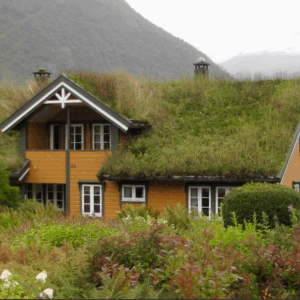
Is a Green Roof Right for Your Urban Home?
Green roofs are gaining popularity in urban areas, offering a stylish way to combine sustainability with functionality. Beyond their eye-catching look, they provide insulation, reduce stormwater runoff, and even help improve air quality in dense city spaces. For homeowners curious about installation, consulting professional roofers hilo can give insights into structural requirements and maintenance needs specific to your home. While the upfront investment may seem steep, the long-term benefits of energy savings and added property value make green roofs an attractive option. Exploring this eco-friendly solution could be the perfect step toward creating a modern, sustainable urban home.
Environmental Benefits
One of the strongest arguments for a green roof is its positive impact on the environment. Vegetation helps absorb rainwater, reducing runoff that can overwhelm city drainage systems. It also filters pollutants from the air and water, improving overall urban health. Beyond that, green roofs combat the “heat island” effect by cooling the surrounding air, which is a blessing during sweltering summers. For homeowners who want to shrink their environmental footprint, this upgrade is a smart and stylish way to make a difference.
Structural and Maintenance Considerations
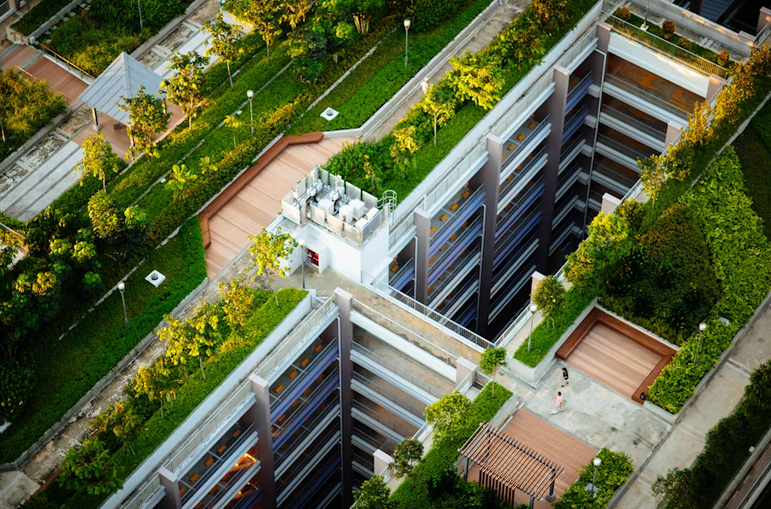
Before you start rolling out turf on your rooftop, it’s important to think about the practical side. Green roofs add significant weight, so you’ll need a structural assessment to make sure your home can support it. Proper waterproofing and drainage systems are also essential to prevent leaks and long-term damage. Maintenance varies depending on the plants you choose—some require only occasional trimming, while others demand regular attention. These factors don’t make green roofs impossible; they mean you’ll need a solid plan before installation.
Energy Savings and Comfort
Green roofs aren’t just good for the planet—they’re also kind to your wallet. The layers of soil and plants act as natural insulation, keeping your home cooler in summer and warmer in winter. It means less strain on your heating and cooling systems, translating into lower utility bills. The added comfort is noticeable, too, with indoor spaces maintaining more stable temperatures. Over time, the energy savings can help offset the initial investment, making green roofs a practical choice as well as a sustainable one.
Aesthetic and Lifestyle Appeal
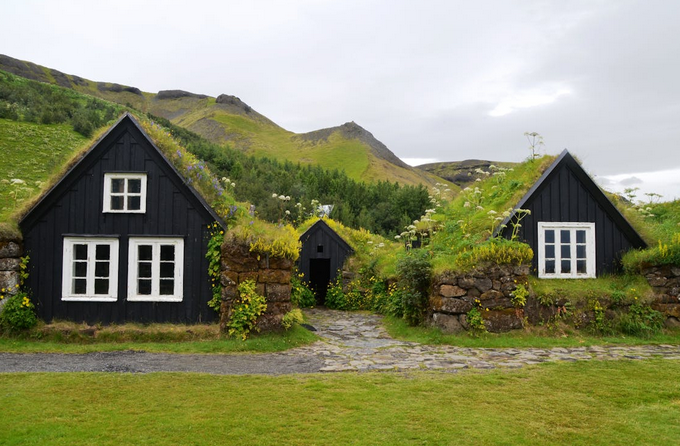
Let’s face it—having a rooftop garden in the middle of the city looks impressive. Beyond appearances, it creates usable outdoor space where you can relax, entertain, or even grow herbs and vegetables. For many urban homeowners, that extra patch of green becomes a personal retreat from the bustle below. It also adds curb appeal, which can boost your property’s resale value. Buyers are increasingly attracted to eco-friendly features, and a green roof offers both charm and function in one package.
Cost and Long-Term Value
The upfront cost of a green roof can be higher than traditional roofing, which may give some homeowners pause. However, the long-term value often outweighs the price tag. Energy savings, extended roof lifespan, and potential property value increases all contribute to a positive return. Some cities even offer incentives or tax breaks for eco-friendly home improvements, helping offset costs. Thinking of it as a long-term investment, rather than just an expense, makes the idea of going green on your roof far more appealing.
A green roof can turn an ordinary urban home into something extraordinary, offering environmental benefits, energy savings, and lifestyle perks all in one. While structural assessments and upfront costs are important factors, the payoff can be substantial in terms of comfort, value, and eco-friendly living. If you’ve been searching for a way to bring nature into the city while improving your home, a green roof may be the answer. With the right planning, your rooftop can become more than just a cover—it can become a thriving oasis.…